On August 12, 2026, Judge Laura Seigle, who is coordinating the Eaton Fire lawsuits in Los Angeles Superior Court, issued a tentative ruling on one of the central questions in the case: whether Southern California Edison can be held strictly liable for the fire under California's inverse-condemnation doctrine without a trial. The court declined to impose that liability as a matter of law.
That sentence has been reported as a setback for fire victims. Read carefully, it is something narrower and, for most families, less alarming than the headlines suggest.
What the court actually decided
Inverse condemnation is the rule that when a public utility's infrastructure damages private property, the utility pays for it whether or not it was careless, on the theory that the public that benefits from the power lines should also bear their cost. Plaintiffs asked the court to apply that rule to SCE now, before trial, so that the only question left for a jury would be how much each family is owed.
The court did not say SCE is not liable. It said the question cannot be resolved on the papers, and that SCE's responsibility for the fire will be decided by a jury. Trial proceedings are still expected to begin in 2026. CAL FIRE's cause determination and the Public Utilities Commission's investigation remain pending, and both will be evidence when the case is tried.
What it means for your claim
Nothing about your claim has been lost. The negligence case against SCE, the case that says the utility should have de-energized the lines in Eaton Canyon on a night with a red-flag warning and a tower on a circuit idle since 1971, was always going to a jury. What changed is that the strict-liability shortcut is off the table for now, which means the evidence about what SCE knew and did before and during the windstorm matters more, not less.
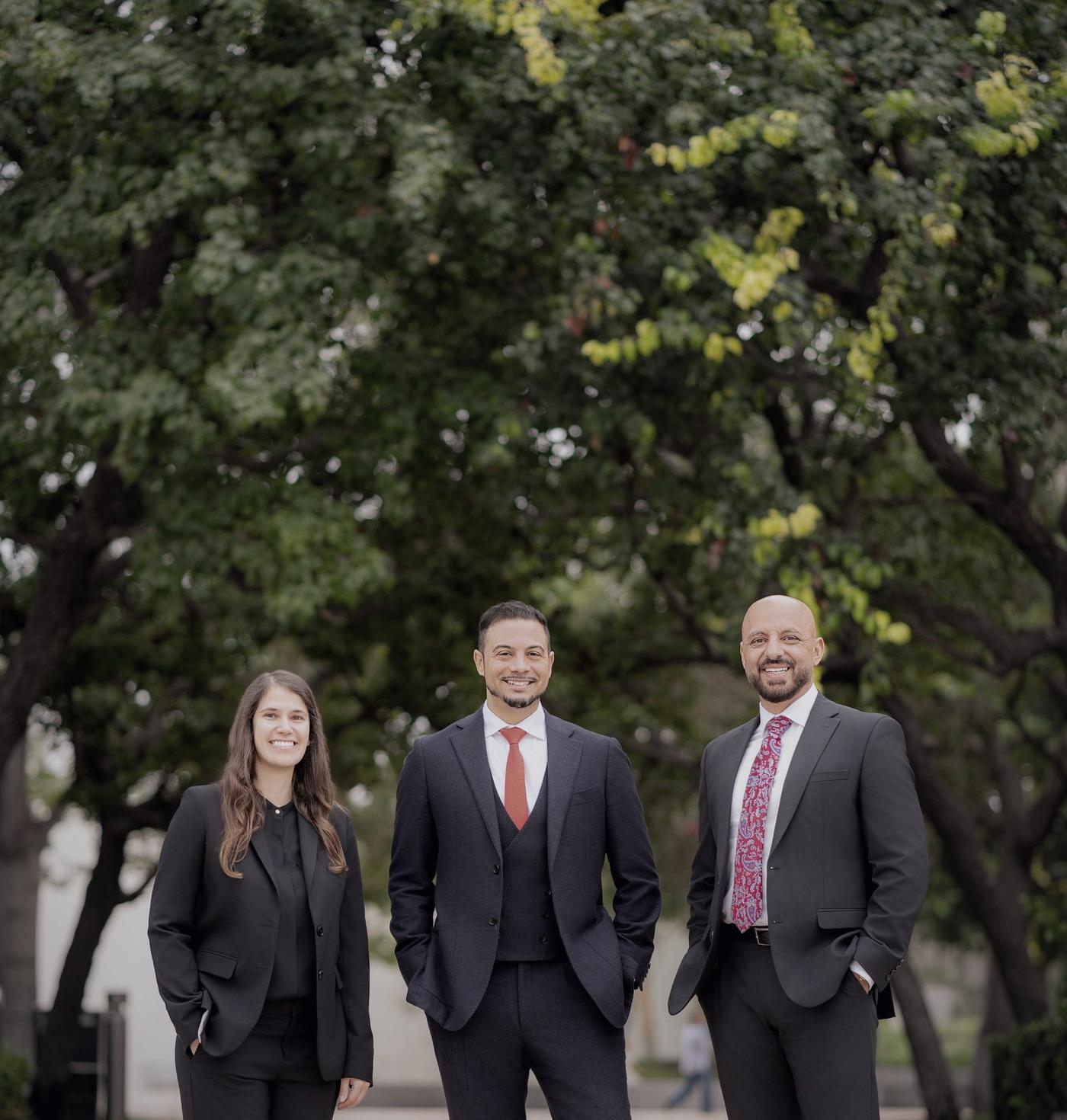
It also means the case will be won by the firms that are prepared to try it. A defendant that knows the plaintiffs will take a case to verdict values it differently than one that expects a settlement on the courthouse steps. That is the reason LaCour Trial Lawyers exists.
Three things to do now
- Do not sign anything from SCE's Wildfire Recovery Compensation Program without a lawyer reading it. The program is voluntary, it is run by the defendant, and accepting a payment ends your right to sue.
- Keep your records together: insurance correspondence, photographs, receipts for temporary housing, and anything showing lost income. The strength of an individual claim at trial is built from exactly these documents.
- Mark the deadlines. Injury and wrongful-death claims generally must be filed by January 2027; property claims by January 2028. Insurance and program deadlines can be much shorter.
If you lived, rented, worked or owned a business in Altadena or Pasadena on January 7, 2025, you may be part of the class. A free case review takes a phone call.
This article is general information about a developing case, drawn from public reporting and court filings as of its date. It is not legal advice and does not create an attorney–client relationship.